Overview
Spatially resolved biology has become one of the most active frontiers in life sciences. Technologies for spatial transcriptomics, spatial proteomics and multiplex imaging now measure molecular activity while keeping the position of cells inside intact tissue. This makes it possible to study how cells communicate, organize, and change within their native microenvironment, with direct consequence for cancer research, immunology, neuroscience, developmental biology, and precision medicine.
These measures raise machine learning (ML) problems that do not fit cleanly into either single-cell or imaging pipelines. Tissue is a geometric object: cells sit in irregular spatial graphs, signals vary smoothly across space, and biological meaning depends on context at several scales at once, from subcellular structure to multicellular niche to whole organs. Spatial assays are also inherently multimodal, pairing molecular readouts with histology images, and they are growing toward atlas scale and whole-slide resolution. Geometry based learning, multimodal representation learning, generative modeling, and pretrained foundation models are well suited to these problems; however, they need adaptation and new theory to handle the noise, sparsity, and scale of high-dimensional spatial data.
This workshop establishes a dedicated venue at NeurIPS for the intersection of ML and spatially resolved high-dimensional biology. Our goal is to bring together ML researchers and experimental biologists around a shared set of methodological problems, to surface open challenges, and to begin building common benchmarks and evaluation standards for the field.
Timeliness
The data landscape has shifted quickly. Platforms such as 10x Xenium, Visium HD, MERFISH, CosMx, and Phenocycler have moved spatial profiling from a handful of pilot studies into routine use, and public consortia are now releasing spatial atlases at large scale. The first spatial and tissue-aware foundation models have appeared in the past two years, and computational pathology has started to combine histology with molecular measurements. The methods, however, remain immature. There is still little agreement on how to represent tissue, how to evaluate spatial models, or how to transfer across platforms and tissues. This combination of abundant new data and unsettled methodology is precisely the moment when a focused NeurIPS workshop can shape the direction of a young field.
Important Dates
| Milestone | Date |
|---|---|
| Submission portal opens | August 2026 |
| Submission deadline | |
| Acceptance notifications | September 29, 2026 (AoE) |
| Workshop day | December 2026, Paris TBD |
All times will be announced in the workshop's local timezone once confirmed by NeurIPS. Submissions are managed via OpenReview. See the Call for Papers for details.
Topics of Interest
We welcome contributions addressing open problems that call for novel ML methods rather than incremental applications, including:
- Learning biologically meaningful spatial representations that hold across scales, from molecules to niches to organs
- Integrating transcriptomic, proteomic, imaging, and clinical modalities into a single coherent model
- Modeling cell-cell communication and tissue dynamics over time
- Building interpretable and uncertainty-aware spatial models that biologists can trust
- Designing benchmarks, datasets, and evaluation standards specific to spatial tasks
- Developing novel ML and foundation models for spatial biology by integrating prior biological knowledge and inductive biases to improve interpretability and generalization across platforms, tissues, and species
- Handling data sparsity, noise, batch effects, and limited annotations
- Scaling learning to atlas-scale and whole-slide datasets
Invited Speakers
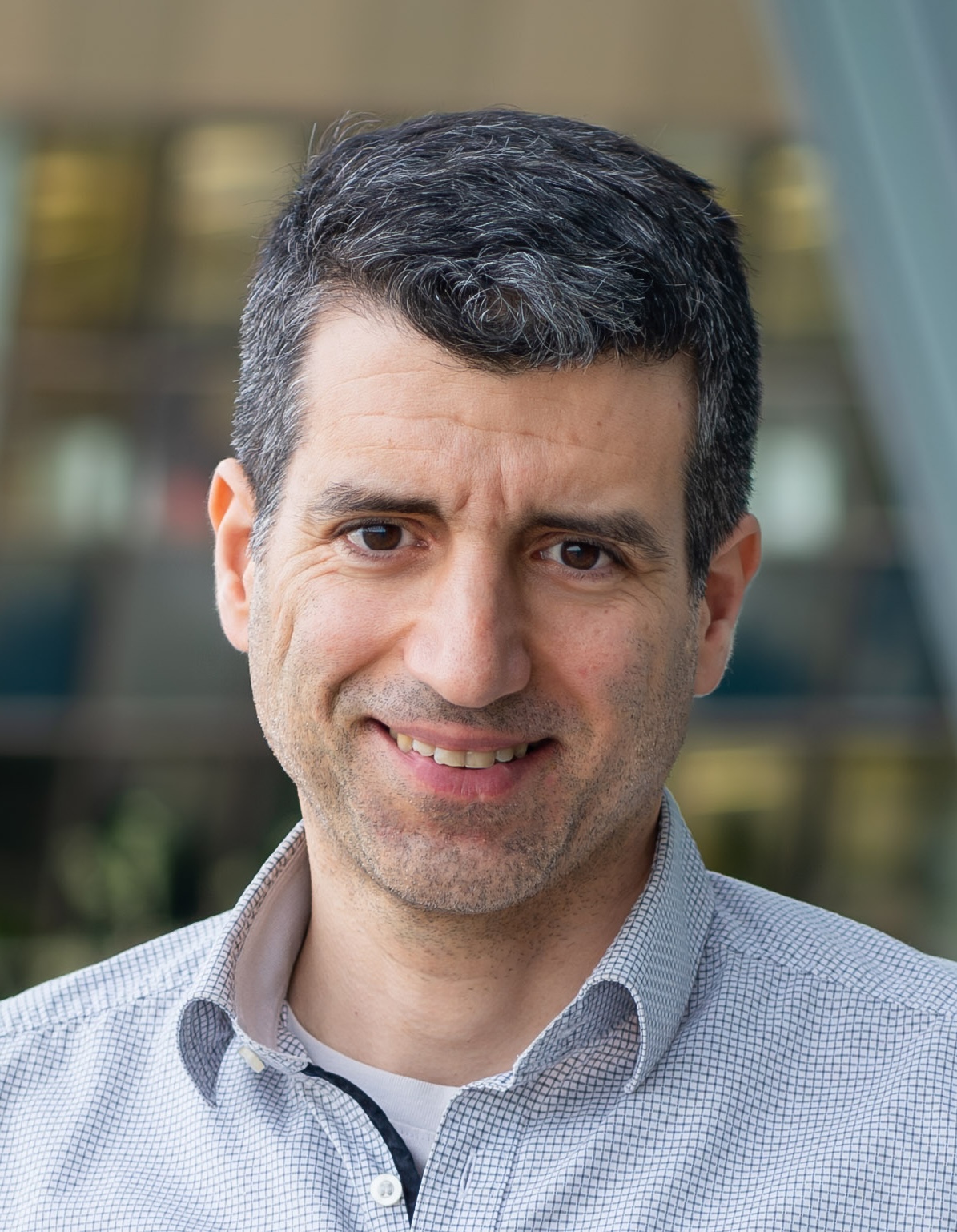
Julio Saez-Rodriguez
Head of Research, EMBL-EBI, Hinxton
“Benchmarking (spatial) foundation models” Tentative
View bio →
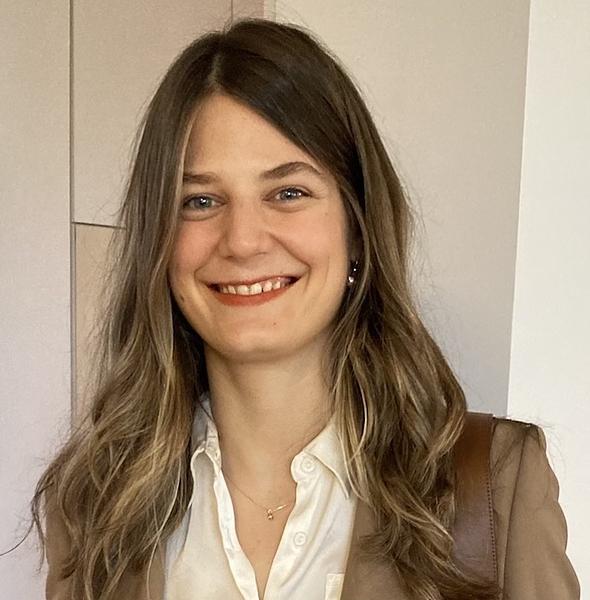
Maria Brbić
Assistant Professor, EPFL, Lausanne
“Toward Multimodal Modeling of Cellular Complexity” Tentative
View bio →
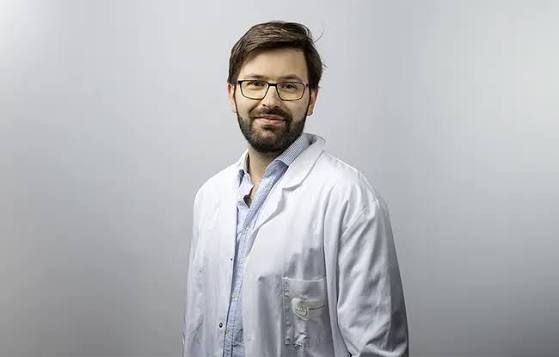
Pierre Bost Confirmed
Junior Principal Investigator, Institut Curie, Paris
“Making sense of spatial omic data” Tentative
View bio →
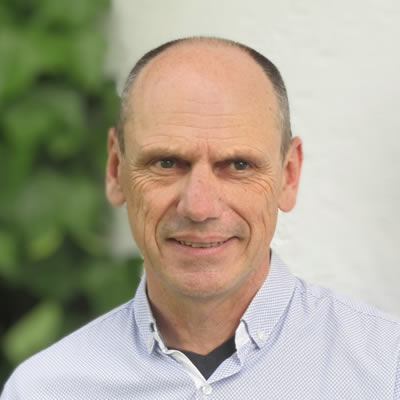
Martin Seifert
Senior Science & Technology Provider, 10x Genomics
View bio →
Speaker TBD
To be announced
View bio →
Speaker TBD
To be announced
View bio →
Confirmed speakers are marked. The remaining invited speakers are being finalized, and the list will be updated as confirmations are received.
Indicative Schedule Tentative
Morning
- Opening remarks
- Invited talks (part 1)
- Contributed spotlights
- Poster session
Afternoon
- Invited talks (part 2)
- Contributed talks
- Panel discussion: open problems & benchmarking
- Closing remarks
The workshop runs as a full day, approximately 8:00 AM–5:00 PM (to be confirmed by NeurIPS). This is a tentative structure; exact ordering and timing will be published once the room and slot are confirmed.
Organizers
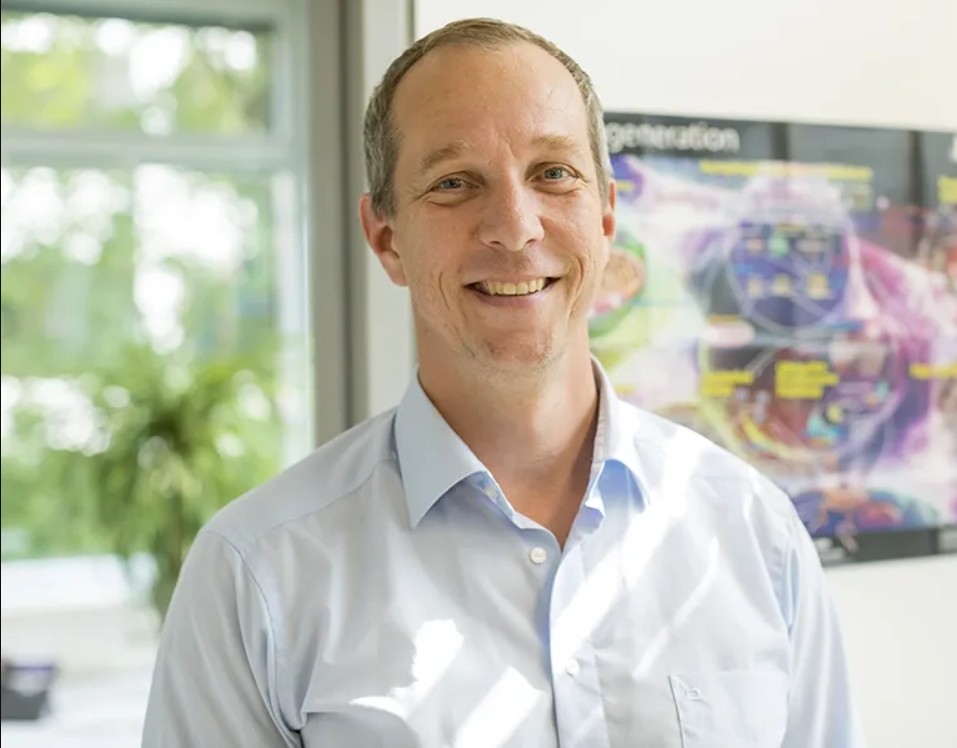
Stefan Bonn
Professor & PI, University Medical Center Hamburg-Eppendorf (UKE), Germany
View bio →

General inquiries: ml4spatialbio.workshop@gmail.com
Program Committee
To be announced. The program committee will be finalized and, if necessary, expanded based on the number of submissions received.
Venue
NeurIPS 2026, Paris, France. Room and building details will be announced by the conference organizers closer to the event.